
What Is Brainspotting? A Therapist’s Guide to This Trauma Treatment
If you’ve been researching trauma treatment, you’ve probably run into two names that sound similar and get confused constantly: EMDR and Brainspotting. Here’s the honest answer — they’re related, but they’re not the same thing, and knowing the difference might help you figure out what you’re actually looking for.
What Brainspotting Is
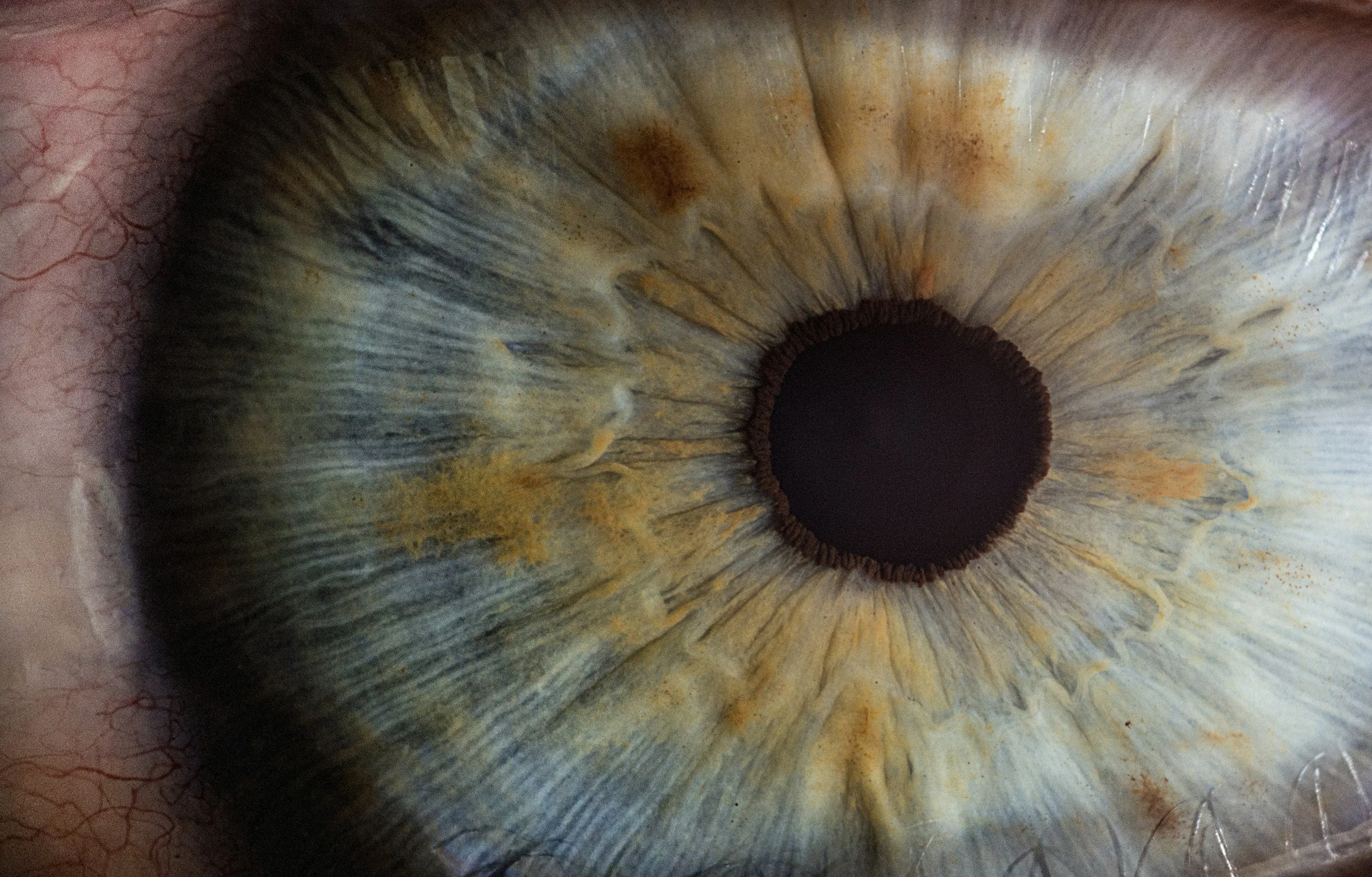
Brainspotting is built on a simple but powerful idea: where you look affects how you feel. Certain eye positions are connected to where the brain and body are holding onto difficult experiences. By finding and gently staying with a “brainspot,” a therapist helps you access material that talk therapy alone often can’t reach — because trauma isn’t just a story you remember. It’s something that lives in the nervous system.
How It’s Different From EMDR
EMDR uses a structured protocol with bilateral stimulation (eye movements, tapping, or sound) to help the brain reprocess a specific memory. Brainspotting is slower and less structured. There’s no set number of steps. Instead, the therapist follows your body’s cues and lets the process unfold at its own pace. Some clients describe EMDR as more directive, and Brainspotting as more like being witnessed while your own system does the healing.
Neither is “better.” They’re different tools, and a well-trained therapist will help you figure out which one — or which combination — fits what you’re working through.
What a Session Actually Looks Like
You don’t have to talk through every detail of what happened to you. That’s often the biggest relief clients name. You’ll work with your therapist to locate a spot, and then you simply notice what comes up — sensations, images, emotions — while your therapist stays present with you. It can feel strange at first. It can also feel like something finally clicking into place.
Is Brainspotting Right for You?
If traditional talk therapy has helped you understand your trauma intellectually but you still feel stuck in your body — tension, anxiety, a felt sense of danger that doesn’t match your present reality — Brainspotting is worth exploring. It’s often used alongside other approaches like EMDR, somatic work, or attachment-based therapy rather than as a stand-alone method.
Curious whether it’s a fit for you? A free consultation is a low-pressure way to ask questions and find out.

Ready to Take the Next Step?
You don’t need to have everything figured out before reaching out. A free consultation is a low-pressure opportunity to ask questions, learn more about our therapists and see whether Rise Therapy feels like the right fit.